
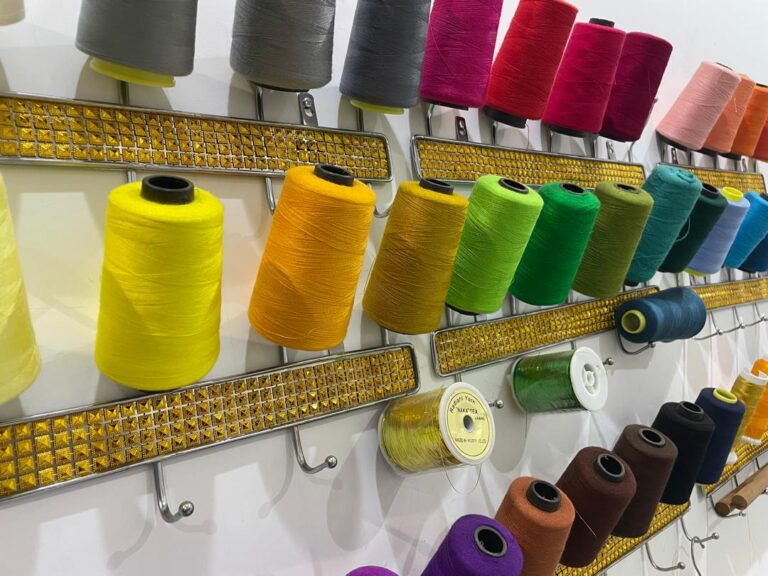
3 Types of Threads Used in Kente: A Buyer's Guide to Quality
Kente cloth is one of the most recognizable and celebrated textiles in the world. Originating from the Ashanti and Ewe peoples of Ghana, this handwoven fabric carries centuries of history, symbolism, and artistry in every strip. But behind every stunning kente cloth lies a fundamental decision that shapes the look, feel, and longevity of the final product: the choice of thread.
Whether you are a first-time buyer, a fashion designer looking to incorporate kente into your collections, or someone commissioning a bespoke piece from Hinkro Kente, understanding the different types of threads used in kente weaving is essential. The thread determines not just appearance but durability, comfort, and value. In this guide, we break down the three primary types of threads used in kente weaving today and help you make an informed choice.
1. Rayon Threads: The Versatile Classic
Rayon is one of the most widely used threads in contemporary kente weaving. Originally developed as a synthetic alternative to silk, rayon is made from regenerated cellulose fibers, typically derived from wood pulp. It has become a staple in kente production due to its versatility, affordability, and attractive appearance.
Properties of Rayon
- Soft texture: Rayon has a smooth, silky feel that drapes well against the body.
- Vibrant dye absorption: Rayon takes dye exceptionally well, producing rich, saturated colors that are central to the bold aesthetic of kente.
- Moderate sheen: It carries a subtle luster that mimics the appearance of natural silk without the high cost.
- Breathability: Rayon is comfortable in warm climates, making it well-suited for Ghana's tropical weather.
Pros and Cons
The primary advantage of rayon is its balance of quality and affordability. It produces kente cloth that looks luxurious while remaining accessible to a broader market. Rayon kente is ideal for fashion garments, accessories, and ceremonial clothing that will not face extreme wear and tear.
However, rayon does have limitations. It is not as strong as polyester and can weaken when wet, making it more susceptible to damage during washing. It also tends to wrinkle more easily and may shrink if not handled properly.
2. Polyester Threads: The Durability Champion
Polyester is a synthetic fiber known for its exceptional strength and resistance to wear. In the kente industry, polyester threads have gained significant popularity, especially for cloth that is intended for everyday use or export markets where durability is a priority.
Properties of Polyester
- High tensile strength: Polyester threads are incredibly strong and resistant to breaking, even under the tension of a traditional loom.
- Color retention: Polyester holds dye remarkably well and resists fading from sunlight and repeated washing.
- Wrinkle resistance: Garments made from polyester kente maintain their crisp appearance with minimal ironing.
- Moisture resistance: Polyester does not absorb water readily, making it quick-drying and resistant to mildew.
Pros and Cons
Polyester kente is the go-to choice for items that need to withstand frequent use. Corporate stoles, organizational banners, and everyday fashion pieces benefit from polyester's resilience. It is also more affordable than silk and slightly less expensive than high-quality rayon, making it an excellent value proposition.
The downside of polyester is that it can feel less breathable than natural fibers, which may be uncomfortable in very hot conditions. Some purists also argue that polyester lacks the organic warmth and texture of traditional kente threads. Despite these concerns, modern polyester threads have improved dramatically in feel and appearance.
3. Silk Threads: The Luxurious Original
Silk is the original thread of kente weaving and remains the most prestigious option. For centuries, Ashanti royalty commissioned kente cloth woven exclusively from silk, and the finest pieces today still use this premium fiber. Silk threads are produced by silkworms and are prized for their unmatched luster, softness, and strength.
Properties of Silk
- Unparalleled sheen: Silk has a natural luminosity that no synthetic fiber can fully replicate. Light plays across the surface of silk kente in a way that gives it a living, breathing quality.
- Exceptional drape: Silk flows beautifully, making it ideal for flowing garments and formal attire.
- Thermoregulation: Silk keeps the wearer cool in heat and warm in cold, making it comfortable in any climate.
- Hypoallergenic: Silk is gentle on sensitive skin and does not cause irritation.
Pros and Cons
Silk kente is the ultimate expression of craftsmanship and cultural heritage. It is the choice for weddings, coronations, state ceremonies, and heirloom pieces meant to be passed down through generations. When you see a chief draped in kente at a durbar, it is almost certainly silk.
The main drawback of silk is cost. It is significantly more expensive than both rayon and polyester, which places it beyond the budget of many buyers. Silk also requires more careful handling, as it can be damaged by harsh detergents and excessive heat. However, for those who value authenticity and luxury, silk kente is worth every cedi.
How to Tell Good Thread Quality from Bad
Regardless of the type of thread, quality varies widely in the kente market. Here are key indicators to look for when evaluating thread quality:
- Consistency: High-quality threads have a uniform thickness throughout. Inconsistent thread leads to uneven weaving and a rough texture.
- Color depth: Well-dyed threads show rich, even color without patches or streaks. Poor dyeing results in a washed-out or blotchy appearance.
- Strength: Gently tug a loose thread. Quality thread should resist breaking without stretching excessively.
- Luster: Good threads have a natural sheen. Dull, matte threads often indicate inferior quality or over-processing.
- Fiber alignment: In natural fibers like silk, the fibers should be smooth and aligned. Frayed or fuzzy threads suggest poor processing.
Hinkro Kente's Thread Selection
At Hinkro Kente, we understand that the foundation of exceptional kente cloth begins with the thread. That is why we carefully source and select only the finest threads for our weaving. Whether we are crafting a royal silk kente for a traditional ceremony, a vibrant rayon piece for a fashion-forward client, or a durable polyester cloth for an organization's corporate identity, we ensure that every thread meets our rigorous standards.
Our team works directly with trusted suppliers to procure threads that deliver consistent color, strength, and texture. We also offer bespoke thread selection for custom orders, allowing our clients to specify the exact material and quality they desire. When you commission a kente cloth from Hinkro Kente, you can be confident that the thread has been chosen with the same care and expertise that goes into every other aspect of our work.
Understanding the threads behind kente is the first step in appreciating the depth of this textile tradition. Whether you choose the versatility of rayon, the resilience of polyester, or the timeless luxury of silk, each thread tells a story of African artistry and innovation.