
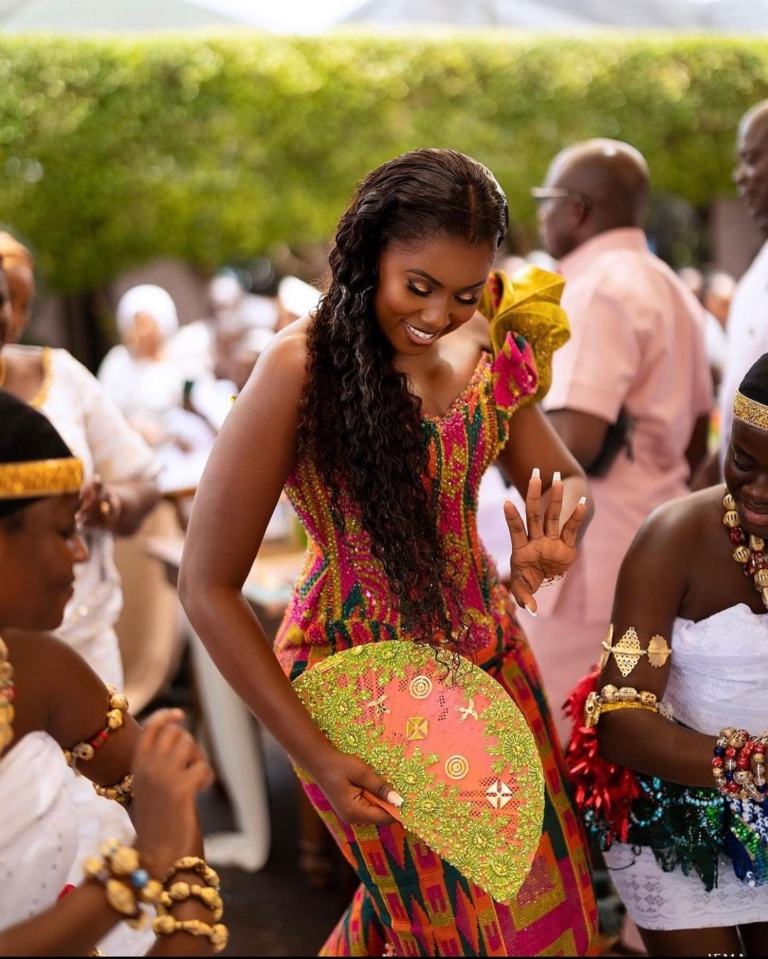
Kente: All You Need to Know About Ghana's Kente Fabric
Few textiles in the world carry the cultural significance, artistry, and global recognition of kente cloth. Originating from the peoples of Ghana, kente is far more than a fabric — it is a visual language, a historical archive, and a living symbol of African identity. Whether you are encountering kente for the first time or deepening your knowledge of this extraordinary craft, this comprehensive guide covers everything you need to know.
The Origin Story of Kente
Kente cloth traces its origins to the Ashanti Kingdom (Asante) in what is now Ghana, with oral traditions placing its invention in the village of Bonwire. According to legend, two friends — Kuragu and Ameyaw — learned the art of weaving by observing a spider spinning its web. They brought the technique to the Ashanti king, and kente weaving became a royal craft.
Historians generally date the origin of kente to the 17th century, though some accounts suggest earlier roots. The Ewe people of the Volta Region developed their own distinct kente tradition independently, creating cloth with different pattern aesthetics and colour palettes.
Ashanti and Ewe Traditions
While both Ashanti and Ewe peoples produce kente, their traditions differ in meaningful ways:
Ashanti Kente
Ashanti kente is characterised by bright, bold colours — particularly gold, green, red, and black — and geometric patterns that often incorporate Adinkra symbols. The patterns are typically named and carry specific meanings related to proverbs, historical events, or philosophical concepts. Ashanti kente tends to feature wider strips and more intricate supplementary weft patterns.
Ewe Kente
Ewe kente often uses muted, earthier tones alongside bright colours, and its patterns frequently include figurative motifs — animals, human figures, and objects — alongside geometric designs. Ewe kente strips are generally narrower, and the cloth is known for its fine, tight weave. The Ewe tradition places particular emphasis on narrative, with patterns telling specific stories.
The Weaving Process
Kente is woven on a narrow-strip loom, producing strips approximately 10-15 centimetres wide. These strips are then sewn together edge-to-edge to create larger cloths. The process involves:
- Thread preparation — yarns are wound onto spools and arranged according to the planned pattern.
- Warp setup — longitudinal threads are set on the loom under tension.
- Weaving — the weaver interlaces weft threads through the warp, creating patterns row by row. Complex designs may take weeks or months to complete.
- Strip joining — finished strips are carefully aligned and sewn together to form a complete cloth.
A single full-size kente cloth (known as a bara) can require 24 or more individual strips, each woven with painstaking precision.
Cultural Significance
Kente is deeply embedded in Ghanaian cultural life:
- Royal attire — historically reserved for royalty, kente was worn by Ashanti kings and chiefs during state ceremonies and festivals.
- Life milestones — kente marks births, naming ceremonies, puberty rites, engagements, weddings, and funerals.
- Protest and pride — during the Pan-African movement, kente became a symbol of Black identity and resistance, worn by leaders including Kwame Nkrumah.
- Global diaspora — African Americans, Afro-Caribbeans, and other diaspora communities have embraced kente as a connection to ancestral heritage, wearing it at graduations, Juneteenth celebrations, and cultural events.
Pattern Meanings and Symbolism
Every kente pattern has a name and a meaning. Some of the most well-known include:
- Adweneasa ("my skill is exhausted") — a pattern of exceptional complexity, symbolising ingenuity and excellence.
- Sika Futuro ("gold dust") — representing wealth, royalty, and prosperity.
- Oyokoman — named after the Oyoko royal clan, symbolising leadership and statesmanship.
- Fathia Fata Nkrumah ("Fathia deserves Nkrumah") — created to celebrate the marriage of Kwame Nkrumah to his Egyptian wife.
Choosing a kente pattern is an act of communication. At Hinkro Kente, our consultants help clients understand and select patterns that align with their intended message and occasion.
Modern Relevance of Kente
Today, kente transcends its traditional Ghanaian context. It is featured in international fashion runways, worn by global celebrities, and incorporated into contemporary design. Yet its core significance remains: kente is a statement of identity, craftsmanship, and cultural continuity.
At Hinkro, we are proud to be part of keeping kente relevant by offering custom designs that honour tradition while speaking to modern aesthetics. From ombre gradients to corporate-branded stoles, we demonstrate that kente is not a museum piece — it is a living, evolving art form.
How to Identify Authentic Kente
With the market flooded with machine-made imitations, authenticating kente is essential:
- Texture — hand-woven kente has a distinctive, slightly uneven texture that machine-made fabric cannot replicate.
- Weight — authentic kente is heavier and more substantial than printed imitations.
- Strip edges — real kente shows the selvedge edges of individual strips, even when sewn together.
- Pattern precision — hand-woven patterns have subtle variations that indicate human craftsmanship.
Experience Authentic Kente with Hinkro
Whether you are purchasing your first piece of kente or adding to a collection, Hinkro Kente guarantees authenticity, quality, and cultural integrity. Every cloth we sell is hand-woven by skilled Ghanaian artisans and backed by our commitment to excellence. Explore our collection today and own a piece of Africa's most celebrated textile tradition.