
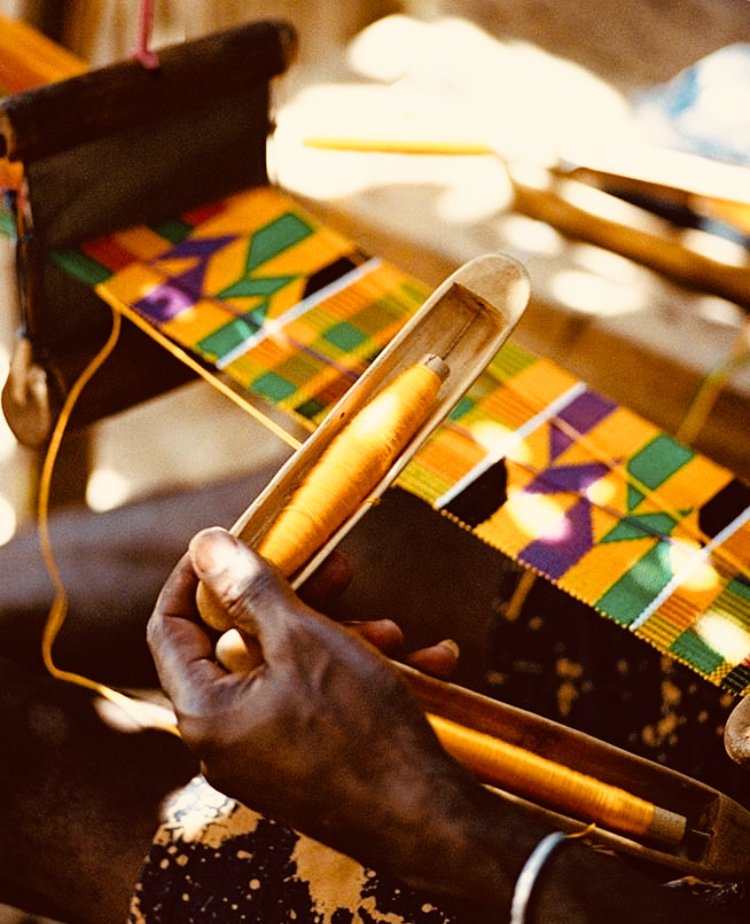
Kente Weaver in Ghana: Finding Skilled Artisans for Authentic Kente
If you are searching for a kente weaver in Ghana, you are looking for something far more specific than a textile producer. You are looking for a guardian of tradition, a master of an art form that has been refined over centuries, and an artisan whose hands transform simple thread into cultural treasure. Ghana remains the undisputed heartland of kente weaving, and finding the right weaver is the most critical step in obtaining authentic, high-quality kente cloth.
Why Ghana Is the Home of Kente Weaving
While kente-inspired fabrics are produced around the world, authentic, hand-woven kente comes from Ghana. The country's weaving tradition is centred in two main regions:
- The Ashanti Region — home to Bonwire, the legendary birthplace of kente, and the wider Kumasi area where Ashanti kente traditions are most deeply rooted.
- The Volta Region — where Ewe weavers have developed their own distinct kente tradition with unique patterns, colour palettes, and symbolic meanings.
Beyond these traditional centres, skilled weavers can be found in communities across Ghana, each bringing regional variations and personal artistic sensibilities to the craft.
What to Look for in a Kente Weaver
Finding a skilled kente weaver requires more than a quick search. Here are the qualities that distinguish a master weaver from an amateur:
Pattern Knowledge
A true master weaver possesses deep knowledge of traditional pattern vocabulary. They should be able to explain the names, meanings, and appropriate contexts for the patterns they weave. This knowledge is typically passed down through generations within weaving families, and a weaver who cannot articulate pattern meanings may lack the training to produce culturally authentic work.
Weave Quality
Examine the tightness and consistency of the weave. High-quality kente should have:
- Even tension throughout each strip
- Crisp, clean pattern edges where colours meet
- Consistent strip width across the entire cloth
- No visible thread breaks or loose ends on the surface
Colour Expertise
Master weavers have an intuitive understanding of colour theory as it applies to kente. They know which colour combinations are traditionally appropriate, how to create harmonious palettes, and how to achieve the bold contrast that defines quality kente. They should also be knowledgeable about dye processes and able to produce colours with excellent fastness.
Experience and Portfolio
Ask to see previous work. An experienced weaver will have a portfolio of completed pieces, ideally including both traditional patterns and custom designs. Look for consistency across their body of work and evidence that they can execute complex patterns accurately.
Weaving Villages to Visit
For those who want to experience kente weaving firsthand, Ghana offers several notable weaving centres:
- Bonwire — the most famous kente weaving village in Ghana, located near Kumasi. A visit to Bonwire offers the chance to see master weavers at work and purchase cloth directly from the source.
- Adanwomase — another Ashanti weaving village known for its high-quality kente and welcoming visitor experiences.
- Agbozume — the heart of Ewe kente weaving in the Volta Region, where visitors can observe the distinct Ewe weaving tradition.
- Kpetoe — a Volta Region town with a vibrant kente weaving community and a kente festival that celebrates the craft.
Visiting these villages provides invaluable context for understanding the skill, time, and cultural knowledge that goes into every piece of authentic kente.
Hinkro's Network of Artisans
Not everyone can travel to Ghana to find a weaver, which is exactly why Hinkro Kente exists. We have built an extensive network of master weavers across the Ashanti and Volta regions, carefully selecting artisans based on skill, reliability, cultural knowledge, and commitment to quality. When you work with Hinkro, you benefit from:
- Vetted artisans — every weaver in our network has been personally assessed and continuously monitored for quality.
- Fair compensation — we ensure our weavers are paid fairly for their extraordinary skill, supporting sustainable livelihoods.
- Quality assurance — every piece passes through our quality control process before it reaches you.
- Design collaboration — our team works with weavers to execute custom designs, blending traditional techniques with your specific vision.
The Weaving Process: What to Expect
When you commission a kente piece through Hinkro, here is what happens behind the scenes:
- Your design brief is translated into a weaving plan, including thread colours, pattern layout, and dimensions.
- Threads are prepared and set on the loom by the weaver.
- Weaving begins — a process that can take anywhere from a few days for a simple stole to several months for a full ceremonial cloth.
- Completed strips are quality-checked and then sewn together to form the full cloth.
- Finishing touches — fringe, pressing, and packaging — complete the piece.
Supporting the Weaving Tradition
Every time you purchase authentic kente from a reputable source like Hinkro, you are supporting the continuation of a centuries-old craft. You are helping weaving families send their children to school, maintain their workshops, and train the next generation of weavers. In a world where fast fashion threatens traditional crafts, your choice to invest in hand-woven kente is an act of cultural preservation.
Start Your Kente Journey
Whether you are looking for a specific traditional pattern, a custom design, or simply the finest authentic kente available, Hinkro Kente connects you with Ghana's most skilled weavers. Contact us today to discuss your needs and let us introduce you to the artisans who will bring your vision to life.