
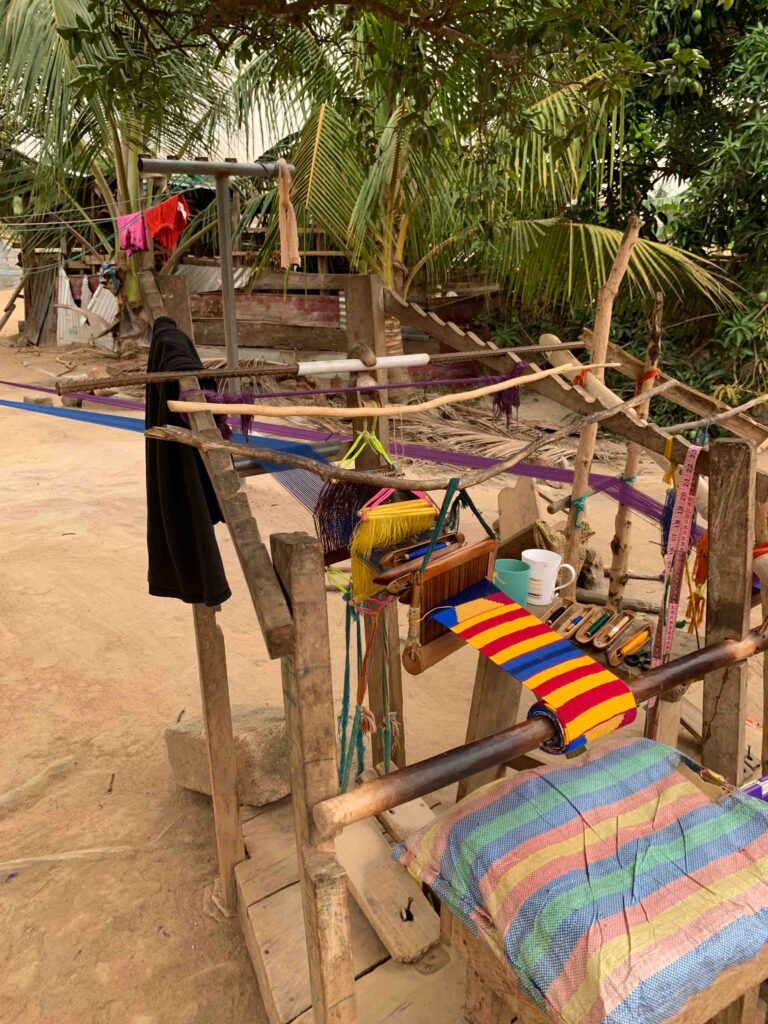
Ghana Makes History: Kente Officially Protected as a National Treasure
In a landmark move that has been celebrated across Ghana and throughout the African diaspora, the Ghanaian government has officially granted kente cloth protection as a national treasure. This historic decision recognizes kente not only as a beautiful textile tradition but as an irreplaceable component of Ghana's cultural identity and heritage. For weavers, cultural practitioners, and lovers of African textiles around the world, this announcement marks a new chapter in the story of kente.
What Does Geographical Indication Protection Mean?
The protection granted to kente is modeled on the concept of Geographical Indication (GI), a form of intellectual property protection that is recognized internationally. A Geographical Indication links a product to its place of origin, ensuring that only products genuinely produced in a specific region using traditional methods can carry the name associated with that region.
In practical terms, this means that authentic kente cloth — woven using traditional Ghanaian techniques, patterns, and materials — now has legal recognition and protection. This is similar to how Champagne can only be called "Champagne" if it comes from the Champagne region of France, or how Parmigiano-Reggiano cheese can only bear that name if produced in specific provinces of Italy.
For kente, GI protection means that the name "kente" is now officially associated with Ghana's weaving tradition. This protection helps distinguish genuine, handwoven Ghanaian kente from mass-produced imitations that may use the kente name without adhering to the standards and traditions that give the cloth its cultural significance.
The Journey to Protection
The road to official protection was not quick or easy. For decades, kente has been copied and mass-produced by manufacturers around the world, often using industrial looms and synthetic materials that bear little resemblance to authentic handwoven kente. These imitations flooded global markets, undermining the livelihoods of Ghanaian weavers and diluting the cultural significance of the cloth.
Cultural advocates, textile organizations, and government officials worked together to build the case for protection. They documented the history of kente weaving, mapped its regional variations, and demonstrated the economic and cultural importance of the craft. The effort involved collaboration between the Ghana National Chamber of Textiles, the Ministry of Tourism, Arts and Culture, traditional authorities, and master weavers from the kente weaving communities of Bonwire, Adanwomase, Agotime, and other centers of production.
The result was a comprehensive framework that recognized kente as a product of Ghana's cultural geography and established mechanisms for its protection both domestically and in international trade.
Impact on Ghanaian Weavers
For the thousands of kente weavers who form the backbone of this tradition, official protection is a game-changer. Here is how the new status is expected to impact their lives and work:
- Income protection: By distinguishing authentic kente from imitations, consumers can make informed choices and are more likely to pay fair prices for genuine handwoven cloth. This directly benefits the weavers who invest their skill and time in every piece.
- Cultural pride: Official recognition reinforces the value of traditional knowledge and skills. Weavers can take greater pride in their craft, knowing that their government and the international community recognize its importance.
- Market access: GI status opens doors to international markets that value authenticity and provenance. Export opportunities are expected to grow as global consumers increasingly seek ethically sourced, culturally authentic products.
- Youth engagement: One of the greatest challenges facing kente weaving has been attracting young people to the craft. Official protection and the economic opportunities it brings may encourage a new generation of weavers to learn the art.
- Standard setting: The protection framework includes quality standards that help maintain the integrity of kente cloth. This ensures that the reputation of Ghanaian kente remains strong in global markets.
Global Recognition and Cultural Significance
The decision to protect kente has resonated far beyond Ghana's borders. For the African diaspora, kente is a powerful symbol of connection to African roots. It is worn at graduations, weddings, and cultural celebrations across the Americas, the Caribbean, and Europe. Official protection affirms the global importance of kente and sets a precedent for the protection of other African cultural heritage items.
International cultural organizations have praised Ghana's initiative, noting that it provides a model for other countries seeking to protect their intangible cultural heritage. The move aligns with broader global efforts to recognize and preserve traditional crafts in the face of industrialization and globalization.
For fashion designers and brands that use kente-inspired designs, the protection also serves as a reminder to approach the cloth with respect. While appreciation and adaptation are welcome, the use of the kente name and its distinctive patterns carries cultural responsibility.
The Future of Protected Kente
With official protection in place, the future of kente looks brighter than ever. But protection alone is not enough. Continued investment in training, infrastructure, and market development is essential to ensure that the benefits of protection reach the weavers and communities who need them most.
This is where organizations like Hinkro Kente play a crucial role. As a company committed to preserving and promoting authentic kente weaving, Hinkro Kente is well-positioned to help bridge the gap between traditional production and modern markets. By offering bespoke kente services, supporting skilled weavers, and educating consumers about the value of genuine kente, Hinkro Kente contributes to the sustainable growth of the industry.
The official protection of kente is more than a policy victory. It is a declaration that Ghana's cultural heritage has value, that its artisans deserve recognition and fair compensation, and that the world should know and respect the origins of one of its most beautiful textiles. As kente continues to weave its way into the global consciousness, this protection ensures that its story will always be told by those who know it best: the people of Ghana.