
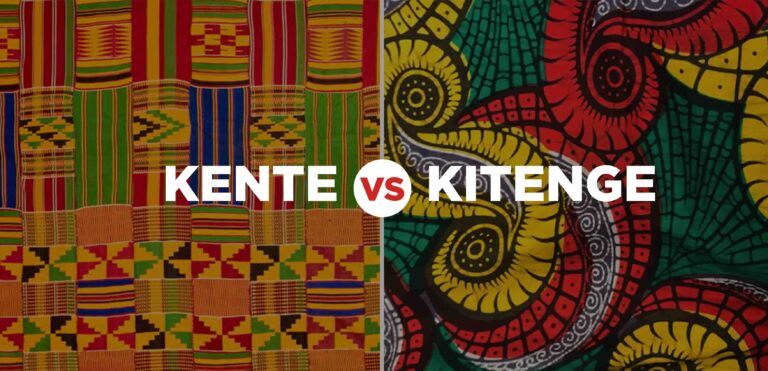
Kente vs Kitenge: Unraveling the Threads of African Textile Heritage
Africa is home to an extraordinarily diverse array of textile traditions, each reflecting the history, values, and artistry of the communities that created them. Among the most celebrated of these traditions are kente and kitenge — two fabrics that are often mentioned together but are, in fact, fundamentally different in their origins, production, cultural significance, and use. Understanding these differences enriches our appreciation of both textiles and the peoples who created them.
In this article, we will explore the histories of kente and kitenge, compare their production methods and cultural roles, and help you understand when to choose one over the other.
The History of Kente
Kente cloth originates from the Ashanti Kingdom and the Ewe people of present-day Ghana. Its history stretches back several centuries, with oral traditions tracing its origins to the 17th century or earlier. According to legend, two Ashanti friends, Kurugu and Ameyaw, learned the art of weaving by observing a spider (Ananse) spinning its web. This foundational myth underscores the deep spiritual and cultural significance that kente holds in Ghanaian culture.
Traditionally, kente was reserved for royalty and special occasions. Each pattern had a specific name and meaning, and the right to wear certain patterns was determined by one's social status. Over time, kente has become more widely accessible while retaining its cultural prestige. Today, it is worn at festivals, weddings, graduations, and state functions, and has become a global symbol of African cultural pride.
The History of Kitenge
Kitenge, also known as chitenge in some regions, is a wax-print or batik fabric that is widely used across East, Central, and Southern Africa. Its roots are intertwined with the broader history of printed cotton textiles in Africa, which were influenced by Indonesian batik techniques introduced through trade and colonial contact.
Unlike kente, which is woven on a loom, kitenge is a printed fabric. Originally produced using wax-resist dyeing techniques, modern kitenge is often manufactured using industrial printing methods that replicate the batik aesthetic. The fabric has become deeply embedded in the daily life and cultural practices of communities across the continent, from the Democratic Republic of Congo to Kenya, Tanzania, Uganda, and beyond.
Production Methods: A Fundamental Difference
The most fundamental difference between kente and kitenge lies in how they are made:
Kente Production
- Handwoven on a loom: Kente is woven strip by strip on a traditional narrow-strip loom. Each strip is typically about four inches wide and several feet long.
- Time-intensive: A single kente cloth can take weeks or even months to complete, depending on the complexity of the patterns.
- Skilled craftsmanship: Kente weaving is a highly specialized skill passed down through generations. Master weavers spend years perfecting their technique.
- Pattern-specific: Each kente pattern is deliberately designed and woven according to specific rules and traditions. The pattern is created during the weaving process itself.
Kitenge Production
- Printed on fabric: Kitenge is created by applying dye or pigment to the surface of cotton fabric using wax-resist or direct printing methods.
- Faster production: Industrial printing allows kitenge to be produced in large quantities relatively quickly.
- Accessible design: The printed nature of kitenge allows for a wide range of designs, from traditional motifs to contemporary patterns.
- Machine-assisted: While hand-stamped kitenge exists and is highly valued, most kitenge on the market today is industrially produced.
Cultural Significance
Both kente and kitenge carry deep cultural meaning, but their symbolic roles differ significantly.
Kente's Cultural Role
Kente is a visual language. Every color, pattern, and arrangement carries specific meaning, and the cloth as a whole communicates messages about the wearer's identity, status, and intentions. Kente is associated with royalty, prestige, and ceremonial occasions. In Ghanaian culture, certain kente patterns are reserved for specific events or individuals, and wearing kente is an act of cultural expression and pride.
Kitenge's Cultural Role
Kitenge is more closely associated with everyday life and community identity. It is worn as wraps, dresses, headwraps, and accessories for both casual and formal occasions. In many African cultures, specific kitenge patterns or colors are associated with particular ceremonies, life events, or social messages. For example, kitenge is commonly worn at weddings, funerals, and naming ceremonies, often with specific colors and patterns chosen to convey respect, celebration, or mourning.
Key Differences at a Glance
- Origin: Kente is Ghanaian (Ashanti and Ewe); kitenge is widespread across East, Central, and Southern Africa.
- Production: Kente is handwoven; kitenge is printed (wax-resist or industrial).
- Material: Kente uses silk, rayon, or polyester threads; kitenge is typically cotton.
- Texture: Kente has a raised, textured surface from the weave; kitenge has a smooth, flat surface.
- Cost: Handwoven kente is generally more expensive due to the labor involved; kitenge is more affordable and widely available.
- Cultural association: Kente is associated with royalty and ceremony; kitenge is associated with everyday wear and community life.
- Visual identity: Kente features geometric patterns created by the weave; kitenge features printed motifs, often with bold colors and figurative designs.
When to Choose Kente and When to Choose Kitenge
Both textiles are beautiful and culturally meaningful, but they serve different purposes:
Choose kente when you want to make a statement of cultural pride, prestige, or ceremonial significance. Kente is ideal for formal events, traditional ceremonies, graduation stoles, diplomatic gifts, and any occasion where the highest level of cultural expression is desired.
Choose kitenge when you want vibrant, versatile African-inspired fabric for everyday wear, casual fashion, home décor, or creative projects. Kitenge is more accessible and easier to work with for a wide range of applications.
At Hinkro Kente, we specialize in authentic, handwoven kente cloth that carries the full weight of its cultural heritage. While we celebrate all African textile traditions, we believe that kente occupies a unique and irreplaceable place in the world of African art and design. Whether you are drawn to kente for a special occasion or as a lifelong addition to your wardrobe, we are here to help you find or create the perfect piece.