
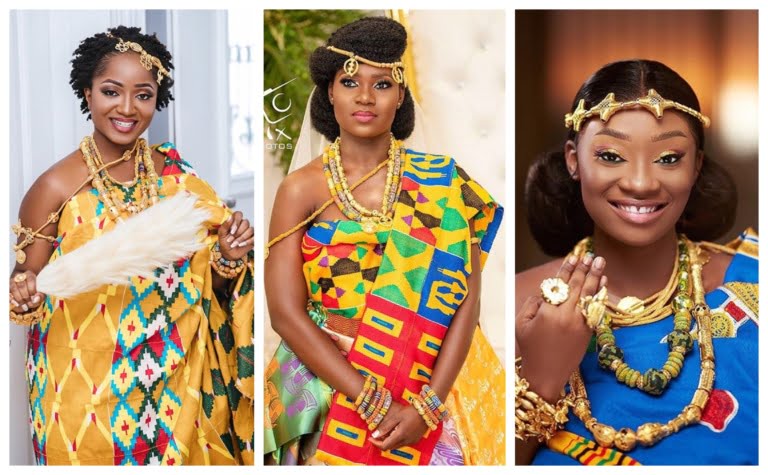
Dansinkran: Wrapped Kente Cloth
In Ghanaian tradition, the way a cloth is worn is just as important as the cloth itself. Among the most elegant and culturally rich styles of wearing kente is the Dansinkran — a traditional wrapped kente cloth that has adorned men and women of status for generations. The Dansinkran is more than a fashion choice; it is a statement of identity, heritage, and cultural pride.
In this article, we will explore the art of wrapping kente in the Dansinkran style, its role in traditional ceremonies, and how you can embrace this timeless look with authentic kente from Hinkro Kente.
What Is Dansinkran?
Dansinkran refers to a specific method of draping and wrapping a full piece of kente cloth around the body, typically over the left shoulder and across the torso, creating a toga-like garment that falls elegantly to the ankles. The style is characterized by its flowing drape, the prominence of the kente patterns across the chest and back, and the regal bearing it imparts to the wearer.
The Dansinkran style is primarily associated with male attire, though variations exist for women that incorporate additional elements such as a matching headpiece or sash. The wrapped style allows the full beauty of the kente cloth to be displayed, making it a natural choice for occasions where visual impact and cultural expression are paramount.
The History and Cultural Meaning of Dansinkran
The Dansinkran style has deep roots in Ashanti culture. Historically, the way a person wrapped their kente communicated their social standing, clan affiliation, and the nature of the occasion they were attending. The Dansinkran was traditionally worn by:
- Chiefs and elders: During council meetings, festivals, and state functions, the Dansinkran was the preferred style for men of authority.
- Grooms: At traditional engagement and wedding ceremonies, the groom would be dressed in a Dansinkran as a sign of maturity and readiness for marriage.
- Cultural performers: Dancers and musicians performing at festivals and celebrations often wore the Dansinkran for its dramatic visual effect.
The wrapping style also carries symbolic meaning. The act of wrapping oneself in kente is seen as an embrace of one's heritage and identity. The fabric envelops the wearer in color, pattern, and meaning, creating a physical and spiritual connection to the traditions of the past.
The Dansinkran in Engagement Ceremonies
One of the most important contexts for the Dansinkran is the traditional Ghanaian engagement ceremony (often called the "knocking" ceremony). This is the formal process by which a groom asks the bride's family for her hand in marriage. The ceremony is steeped in protocol and symbolism, and the groom's attire is a crucial element.
In a traditional engagement, the groom typically arrives wearing a Dansinkran made from a carefully selected kente cloth. The choice of pattern and color is significant — it communicates the groom's intentions, his family's values, and the nature of the union being proposed. Common choices include:
- Gold-dominant kente: Symbolizing prosperity and the hope for a wealthy union.
- Patterns associated with love and unity: Such as specific designs that represent togetherness and mutual respect.
- Family or clan patterns: Some families have specific kente patterns that are traditionally worn by their members on such occasions.
Hinkro Kente has helped many grooms find the perfect kente for their engagement ceremonies, offering guidance on pattern selection, color symbolism, and the proper way to wear the Dansinkran.
How to Wrap Kente in the Dansinkran Style
While there are variations across regions and families, here is a general guide to the Dansinkran wrapping technique:
Step 1: Prepare the Cloth
Begin with a full piece of kente cloth (typically six to eight feet long and four to five feet wide). Lay the cloth flat and fold it lengthwise so that the width is reduced by about one-third. This creates a manageable strip that will drape well.
Step 2: Position the Cloth
Stand with the cloth behind you. Place the center of the folded cloth at your back, with the fabric extending equally on both sides.
Step 3: Drape Over the Shoulder
Bring the right end of the cloth forward under your right arm and drape it over your left shoulder. The fabric should cross your chest diagonally, with the pattern prominently displayed.
Step 4: Secure the Wrap
Adjust the drape so that the cloth falls smoothly from the left shoulder to the right hip. The excess fabric on the left shoulder can be folded back neatly to create a clean line. Some wearers use a decorative pin or brooch to secure the cloth at the shoulder.
Step 5: Final Adjustments
Check that the kente patterns are visible and well-positioned. The front of the wrap should showcase the most striking part of the design. Ensure the cloth is comfortable and allows for ease of movement.
Styling the Dansinkran: Tips and Variations
- Add a headpiece: A matching kente headband or traditional gold headpiece completes the Dansinkran look.
- Layer with accessories: Gold jewelry, beads, or a ceremonial sword can enhance the regal quality of the outfit.
- Choose complementary footwear: Traditional leather sandals or simple dress shoes work well with the Dansinkran.
- Consider the occasion: For formal events, choose a kente cloth with rich colors and complex patterns. For more casual celebrations, a simpler design in lighter colors may be appropriate.
Hinkro Kente: Your Partner for Traditional Dansinkran Cloth
Hinkro Kente specializes in providing authentic, handwoven kente cloth that is perfect for the Dansinkran style. Their collection includes full-size cloths in a wide range of patterns and colors, each designed to be worn with the pride and elegance that the Dansinkran demands. For grooms and families preparing for engagement ceremonies, Hinkro Kente offers personalized consultations to ensure the cloth perfectly matches the significance of the occasion.
Every piece from Hinkro Kente is woven by master artisans in Ghana, using traditional techniques and materials. This ensures that your Dansinkran cloth is not just beautiful — it is a genuine piece of cultural heritage.
Preserving the Art of Wrapping
As kente fashion evolves, there is a growing appreciation for traditional wrapping styles like the Dansinkran. By choosing to wear your kente in this way, you are not only looking stunning — you are participating in a living tradition that connects you to generations of Ghanaian culture. Whether you are a groom-to-be, a festival attendee, or simply someone who loves beautiful cloth, the Dansinkran offers a way to wear kente that is both timeless and deeply meaningful.
Final Thoughts
The Dansinkran is more than a way to wear cloth — it is a way to carry culture, history, and identity on your shoulders. With a beautifully woven kente from Hinkro Kente, you can embrace the Dansinkran tradition with authenticity and pride. Whether for a wedding, a cultural event, or a personal celebration, this wrapped style ensures that you make a statement that speaks volumes.