
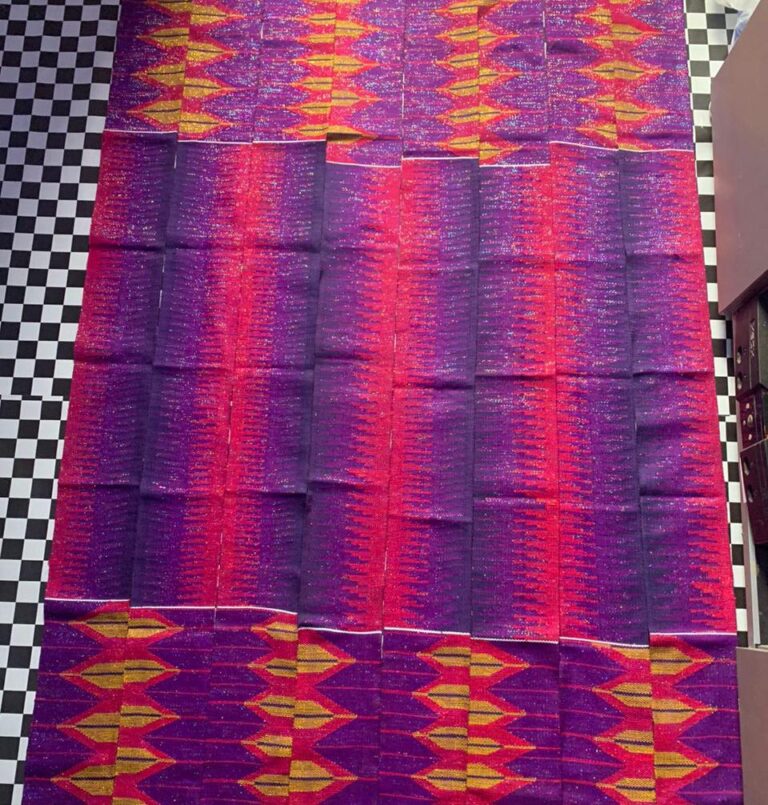
African Artifact: A Timeless Expression of Cultural Heritage
Africa's artistic legacy spans millennia, encompassing an extraordinary range of forms, materials, and meanings. From the bronze sculptures of Benin to the wooden masks of the Dan people, from the beadwork of the Maasai to the woven textiles of the Ashanti, African artifacts represent some of the most powerful and enduring expressions of human creativity. Among these treasured art forms, textiles like kente cloth occupy a special place as both functional objects and profound cultural statements.
This article explores what defines African artifacts, their role in preserving history and identity, and their deep connection to textile arts like kente weaving.
What Defines an African Artifact?
An African artifact is any object created by African artisans that carries cultural, spiritual, historical, or aesthetic significance. While the term "artifact" is sometimes associated with ancient museum pieces, it equally applies to contemporary works that continue living traditions of craftsmanship and meaning-making.
African artifacts share several common characteristics:
- Cultural rootedness: Every artifact is embedded in a specific cultural context. It reflects the values, beliefs, and practices of the community that created it.
- Artisanal skill: African artifacts are typically handmade, requiring specialized skills that are passed down through generations. The quality of craftsmanship is a source of pride and identity.
- Symbolic communication: Many African artifacts serve as a form of visual language, conveying messages about status, identity, spirituality, and community through their design, materials, and use.
- Functional and aesthetic dualism: African artifacts often serve both practical and aesthetic purposes. A kente cloth is both a garment and a work of art; a mask is both a ceremonial object and a masterpiece of design.
- Connection to the sacred: Many artifacts have spiritual dimensions, serving as conduits between the physical and spiritual worlds, or as embodiments of ancestral wisdom and protection.
The Role of Artifacts in Preserving History
In many African societies, oral tradition has historically been the primary means of recording and transmitting history. Artifacts complement this oral tradition by providing tangible, material connections to the past. A kente cloth pattern, for example, can encode historical events, philosophical ideas, and cultural values in a form that can be preserved, displayed, and studied for generations.
Artifacts serve as historical records in several important ways:
- Genealogical documentation: Certain artifacts, including specific kente patterns, are associated with particular families, clans, or lineages. They serve as visual records of ancestry and heritage.
- Historical commemoration: Artifacts are often created to mark significant events — the founding of a community, the ascension of a leader, a moment of collective struggle or triumph.
- Knowledge preservation: The techniques and materials used in artifact creation encode traditional knowledge about ecology, chemistry, engineering, and aesthetics that might otherwise be lost.
- Cultural continuity: By maintaining artifact traditions, communities ensure that their cultural identity persists across generations, even in the face of external pressures and change.
Textile Arts as African Artifacts
Textile arts hold a unique position among African artifacts. Unlike sculpture or painting, which are often displayed and contemplated, textiles are lived with. They are worn, draped, wrapped, and used in the fabric of daily life. This intimate relationship between textile and wearer gives cloth artifacts a particularly powerful role in cultural expression.
African textile traditions are extraordinarily diverse, reflecting the continent's vast geographic and cultural range. Among the most celebrated are:
- Kente cloth (Ghana): Handwoven strip cloth with complex geometric patterns and deep symbolic meaning. Kente is recognized worldwide as a symbol of African cultural pride.
- Adire (Nigeria): Indigo-dyed cloth created using resist-dyeing techniques, featuring elaborate patterns that carry Yoruba cultural significance.
- Bogolan (Mali): Mud cloth dyed with fermented mud and plant dyes, featuring bold geometric patterns associated with Bambara culture.
- Kuba cloth (Democratic Republic of Congo): Raffia palm cloth with intricate embroidered patterns, used in ceremonial contexts and as a form of currency.
- Kangas and Kitenges (East Africa): Printed cotton cloths with Swahili proverbs and messages, serving as versatile garments and cultural communications.
Each of these traditions represents centuries of accumulated knowledge, creativity, and cultural meaning. Together, they form a rich tapestry of African textile art that continues to inspire and influence designers around the world.
The Connection Between Kente and Broader African Artistry
Kente weaving is not an isolated art form; it exists within the broader ecosystem of African craftsmanship. The same values that drive kente production — attention to detail, respect for tradition, commitment to excellence, and the desire to communicate through art — are found across the full spectrum of African artifact creation.
At Hinkro Kente, we see our work as part of this larger tradition. When we weave a kente cloth, we are not just creating a textile; we are contributing to an ongoing conversation about African art, identity, and heritage that spans the continent and the diaspora. Our cloth carries the same spirit that animates the bronze casters of Benin, the beadworkers of the Maasai, and the potters of the Dagara.
Preserving and Promoting African Artifacts in the Modern World
The preservation of African artifacts — including textile traditions like kente — faces both challenges and opportunities. Globalization and industrialization have created economic pressures on traditional artisans, while also opening new markets and audiences for their work. The key is to find a balance that allows artisanal traditions to thrive without being exploited or diluted.
At Hinkro Kente, we contribute to this balance by:
- Paying fair wages: Ensuring that the weavers and artisans who create our kente are compensated fairly for their skill and labor.
- Maintaining quality standards: Producing kente that meets the highest standards of craftsmanship, ensuring that the tradition is represented with integrity.
- Educating consumers: Sharing the story and significance of kente with buyers, helping them appreciate the cultural depth behind the cloth they purchase.
- Supporting innovation: Encouraging new pattern development and creative applications of kente that keep the tradition relevant and dynamic.
African artifacts are more than objects; they are embodiments of human creativity, cultural identity, and historical memory. Kente cloth is one of the most vivid examples of this truth, and at Hinkro Kente, we are honored to be custodians of this remarkable tradition.