
The Art of Computerized Pattern Generation in Modern Kente Weaving
Kente weaving is a tradition that stretches back centuries, rooted in the skill and creativity of master weavers who designed and executed complex patterns entirely by hand. Today, while the fundamental artistry of kente weaving remains unchanged, modern technology has introduced powerful new tools that enhance the design process without compromising the authenticity of the craft. At Hinkro Kente, we embrace computerized pattern generation as a way to expand creative possibilities, improve precision, and better serve our clients — all while honoring the traditions that make kente unique.
The Traditional Approach to Pattern Design
Historically, kente patterns were developed entirely through manual processes. Master weavers would conceive designs in their minds, sketch them on paper or directly on the loom, and refine them through trial and error. Patterns were transmitted from master to apprentice through demonstration, repetition, and oral instruction. This approach produced an extraordinary body of patterns, many of which are still woven today, and it gave kente its deeply human, handcrafted character.
The limitations of the traditional approach, however, were real. Designing a new pattern required extensive time and experimentation. Color combinations had to be tested physically by weaving sample strips, a process that could take days or weeks for a single test. And the ability to visualize a complete cloth before it was woven was limited to the weaver's imagination and experience.
How Computerized Pattern Generation Works
Computerized kente pattern generation uses specialized software to create, visualize, and refine kente designs digitally before any weaving begins. The process typically involves several stages:
1. Digital Pattern Creation
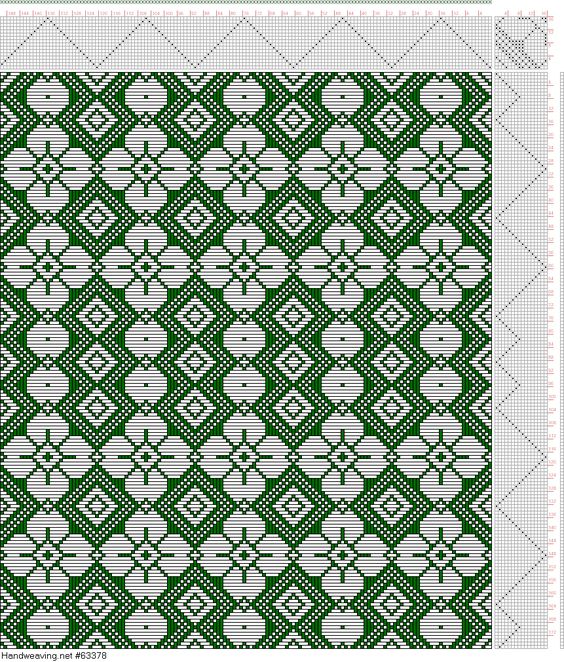
Designers use software to create kente patterns on a digital grid that mirrors the structure of a loom. Each cell in the grid represents a thread intersection, and designers can assign colors to each cell to build up the pattern. This allows for rapid experimentation with different arrangements, proportions, and color combinations.
2. Color Simulation
One of the most valuable features of computerized design is the ability to simulate different color palettes instantly. Designers can test dozens of color combinations in minutes, seeing exactly how each combination will appear in the finished cloth. This eliminates the need for physical sample weaving during the color selection phase, saving significant time and resources.
3. Full Cloth Visualization
Computerized tools allow designers to visualize an entire kente cloth before a single thread is placed on the loom. This includes seeing how individual strips will look when joined together, how the overall color balance will appear, and how the pattern will flow across the full width and length of the cloth.
4. Technical Specification
The software generates precise technical specifications for the weaver, including thread counts, color sequences, and weaving orders for each section of the pattern. These specifications reduce the risk of errors during weaving and ensure that the final product matches the design exactly.
5. Client Preview and Revision
For custom orders, digital designs can be shared with clients for review and revision before weaving begins. This collaborative process ensures that the client's vision is accurately captured and that any adjustments are made efficiently.
Benefits of Computerized Pattern Generation
The integration of computerized tools into the kente design process offers numerous benefits:
- Speed: New patterns can be developed and refined in a fraction of the time required by purely manual methods. This allows Hinkro Kente to offer faster turnaround times for custom orders without sacrificing quality.
- Precision: Digital tools eliminate guesswork in pattern construction. Thread counts, color sequences, and proportions are specified exactly, resulting in more consistent and accurate weaving.
- Creative freedom: Designers can experiment with more complex and ambitious patterns than might be practical using manual methods alone. The digital environment encourages creative exploration.
- Cost efficiency: By reducing the number of physical prototypes needed during the design phase, computerized tools lower the cost of pattern development, savings that can be passed on to clients.
- Archiving and cataloging: Digital designs can be stored, organized, and retrieved easily, creating a growing library of patterns that can be referenced, adapted, or reproduced as needed.
- Client collaboration: Digital previews make it easier for clients to participate in the design process, ensuring that the final product meets their expectations.
Maintaining Authenticity
A common concern about the use of technology in traditional crafts is that it may compromise authenticity. At Hinkro Kente, we take this concern seriously and have established clear principles to ensure that computerized tools enhance rather than replace the human artistry at the heart of kente weaving.
Our approach to maintaining authenticity includes:
- Human creativity leads: Computerized tools assist in the design process, but the creative decisions — what the pattern means, how it communicates, and how it relates to tradition — are made by our human designers, who bring deep cultural knowledge and artistic judgment to the work.
- Handweaving remains: All Hinkro Kente cloth is handwoven by skilled artisans using traditional looms. The computer generates the design; the human hand brings it to life. The weaving process itself is unchanged, preserving the texture, character, and craftsmanship that distinguish handwoven kente from machine-made imitations.
- Traditional patterns are respected: When developing new patterns, our designers work within the traditional vocabulary of kente design, building on established conventions rather than abandoning them. New patterns are extensions of the tradition, not departures from it.
- Transparency: We are open about our use of computerized tools and explain to clients how technology supports our creative process. We believe that transparency builds trust and helps clients appreciate both the tradition and the innovation behind their kente cloth.
Hinkro Kente's Integrated Approach
At Hinkro Kente, computerized pattern generation is one tool among many in our creative toolkit. We use it when it adds value — for complex custom designs, for rapid color exploration, for precise technical specification — but we never allow it to overshadow the human skill and cultural knowledge that define our work.
Our integrated approach means that every kente cloth we produce benefits from both the efficiency of modern technology and the soul of traditional craftsmanship. The result is kente that is more precisely designed, more consistently produced, and more responsive to client needs — while remaining as authentic, meaningful, and beautiful as kente has always been.
Technology is a tool, not a replacement for artistry. At Hinkro Kente, we use it wisely, so that every thread we weave carries the full weight of tradition into the future.