
Ombre Kente: Unveiling the Radiance of Traditional Textile
In the vast and colorful world of kente cloth, few variations capture the eye quite like ombre kente. With its stunning gradient transitions — where colors seamlessly blend from one shade into another — ombre kente stands as a testament to the extraordinary skill and artistic vision of Ghana's master weavers. It is a style that bridges the ancient and the modern, offering a fresh interpretation of a tradition that spans centuries.
In this article, we will explore what makes ombre kente unique, the technique behind its creation, its growing popularity in contemporary fashion, and how Hinkro Kente is bringing this breathtaking style to customers around the world.
What Is Ombre Kente?
The word "ombre" comes from the French word meaning "shaded" or "shadow." In textile design, ombre refers to a gradual blending of one color hue into another, typically moving from light to dark or vice versa. When applied to kente cloth, this technique creates a mesmerizing visual effect that distinguishes ombre kente from traditional block-patterned kente.
While traditional kente is known for its bold, sharply defined geometric patterns and distinct color blocks, ombre kente introduces a softer, more fluid aesthetic. The transitions between colors are gradual and deliberate, creating a sense of movement and depth across the fabric. This does not mean ombre kente lacks the symbolic meaning of its traditional counterpart — rather, it adds an additional dimension of visual storytelling.
The Gradient Technique: How Ombre Kente Is Created
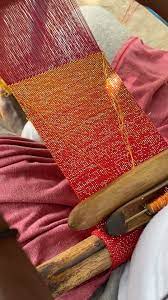
Creating ombre kente is one of the most technically demanding forms of strip weaving. The process requires meticulous planning and an intimate understanding of color theory and thread management.
Thread Preparation
The weaver begins by carefully selecting and preparing threads in graduated shades of the desired colors. Unlike traditional kente, where colors remain constant within each strip, ombre kente requires multiple shades of the same color family — for example, five to eight progressively deeper shades of gold, or a spectrum from pale blue to deep navy.
Loom Setup and Weaving
As the weaver works on the strip loom, they must precisely time the introduction of each new shade. The transition from one color to the next happens gradually across the width or length of the strip. This requires extraordinary concentration and a steady hand, as even a slight misalignment can disrupt the gradient effect. The weaver must maintain consistent tension throughout to ensure the color transitions are smooth rather than abrupt.
Assembly
Once the individual strips are woven, they are carefully aligned and sewn together so that the gradient flows harmoniously across the entire cloth. The alignment of strips is critical — the weaver must ensure that the color transitions in adjacent strips complement each other, creating a cohesive visual experience across the full width of the kente.
The History of Gradient Weaving in Kente
While bold, high-contrast patterns have traditionally dominated kente design, the concept of color gradation is not entirely new. Some of the oldest kente patterns incorporate subtle shade variations as a way of indicating status and wealth. The ability to produce threads in fine, graduated dyes was historically a mark of a master dyer, and cloths featuring these gradients were prized by Ashanti royalty.
What we now call ombre kente represents a modern evolution of these traditional techniques. Contemporary weavers have taken the foundational principles of gradient weaving and applied them to new, larger-scale color transitions, creating the dramatic ombre effect that has captured the attention of fashion designers and cultural enthusiasts worldwide.
Modern Popularity: Ombre Kente in Contemporary Fashion
The rise of ombre kente in global fashion is no coincidence. As the world embraces African design aesthetics, the gradient effect of ombre kente aligns perfectly with contemporary tastes that favor soft, flowing color transitions. Here is how ombre kente is making waves today:
- Fashion and apparel: Ombre kente is increasingly used in formal wear, wedding attire, and statement accessories. Designers value it for its ability to create elegant, modern silhouettes while maintaining cultural authenticity.
- Bridal fashion: Brides and grooms seeking a distinctive look are drawn to ombre kente for its romantic, gradient effects. The cloth lends itself beautifully to gowns, suits, wraps, and ceremonial accessories.
- Home décor: As wall hangings, table runners, or upholstery accents, ombre kente brings warmth and sophistication to interior spaces. Its gradient colors create a focal point that draws the eye and sparks conversation.
- Accessories: From scarves and headwraps to bags and pocket squares, ombre kente accessories offer a subtle yet striking way to incorporate African heritage into everyday style.
Hinkro Kente's Ombre Collection
Hinkro Kente has embraced the ombre technique as part of its commitment to showcasing the full spectrum of kente artistry. Their ombre collection features carefully curated gradient pieces that honor traditional weaving methods while pushing the boundaries of color design.
Each ombre piece from Hinkro Kente is handwoven by experienced artisans who have mastered the gradient technique. The company works closely with weavers to develop unique color palettes that range from subtle, tonal gradients to bold, multi-color transitions. Whether you are looking for a cloth that transitions from deep emerald to soft sage or one that flows from rich burgundy to pale rose, Hinkro Kente offers options that are as diverse as they are beautiful.
What makes Hinkro Kente's approach particularly noteworthy is their dedication to customization. Customers can commission bespoke ombre kente pieces in their preferred color combinations, making each cloth a truly personal work of art.
How to Style Ombre Kente
One of the great advantages of ombre kente is its versatility. Here are some popular ways to wear and display it:
- As a full wrap: Draped over one shoulder or wrapped around the body, ombre kente creates a stunning, regal look perfect for formal events.
- As a headwrap: The gradient effect is particularly striking when the cloth is folded into a gele or turban-style headwrap.
- As a stole or sash: A narrow ombre kente strip worn over a suit or dress adds cultural elegance to any outfit.
- As wall art: Framed or hung, ombre kente transforms any wall into a gallery of African artistry.
The Symbolism Behind the Gradient
Beyond its visual beauty, the gradient effect in ombre kente can carry its own symbolic weight. The gradual transition from one color to another can represent personal growth, transformation, or the journey from one phase of life to another. A piece that moves from dark to light might symbolize the passage from hardship to hope, while a gradient from one bold color to another could represent the blending of two families or traditions — making ombre kente a meaningful choice for weddings and unions.
Caring for Ombre Kente
Because ombre kente often uses fine threads and delicate color gradations, proper care is essential to preserve its beauty. Hand wash in cool water with a gentle detergent, avoiding harsh chemicals that could affect the dye. Lay flat to dry in a shaded area, and store rolled rather than folded to prevent creasing along the gradient lines.
Final Thoughts
Ombre kente is more than a style trend — it is a living, evolving expression of one of Africa's oldest textile traditions. By blending time-honored weaving techniques with contemporary color aesthetics, ombre kente offers something truly special: a cloth that speaks to both heritage and innovation. With Hinkro Kente leading the way in creating and distributing these gradient masterpieces, there has never been a better time to explore the radiant world of ombre kente.