
Kente Cloth: Unveiling the Vibrant Tapestry of Ghanaian Culture
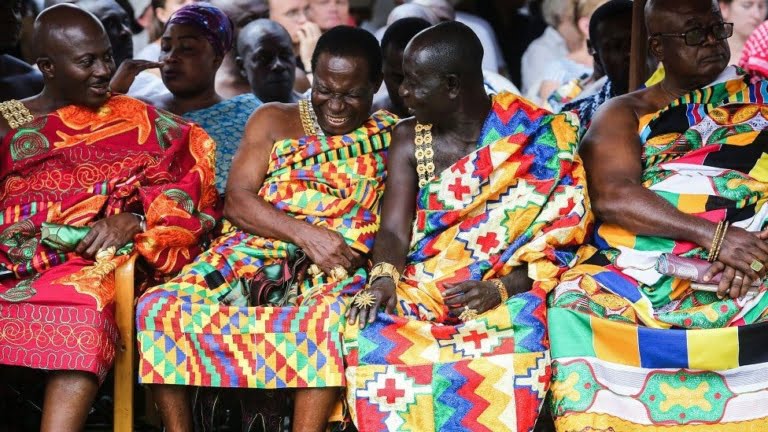
Few textiles in the world carry the cultural weight and visual power of kente cloth. Originating from the Ashanti Kingdom of Ghana, kente is far more than a piece of fabric — it is a visual language, a historical record, and a living symbol of African identity. With its intricate patterns, bold colors, and deep symbolism, kente cloth has woven itself into the fabric of Ghanaian culture and, increasingly, into the global consciousness.
In this comprehensive exploration, we will delve into the rich tapestry of kente cloth — its origins, regional variations, symbolic patterns, role in ceremonies, and its vibrant presence in modern fashion.
The Origins of Kente Cloth
Kente cloth traces its roots to the Ashanti (Asante) people of Ghana, with oral history placing its creation in the village of Bonwire, near the Ashanti capital of Kumasi. Legend has it that two friends, Kurugu and Ameyaw, learned the art of weaving by observing a spider spinning its web. Inspired by the intricate patterns of the web, they created the first kente strips on a simple loom.
While the legend adds a layer of mystique, historical evidence suggests that kente weaving evolved over centuries, influenced by both indigenous textile traditions and contact with West African trading networks. The earliest kente was woven from wild silk and cotton, and the patterns were relatively simple. Over time, as the Ashanti Kingdom grew in wealth and sophistication, so too did the complexity and artistry of kente cloth.
Regional Variations: Ashanti vs. Ewe Kente
While kente is most commonly associated with the Ashanti people, it is important to recognize that the Ewe people of southeastern Ghana and Togo also have a rich kente weaving tradition. Though both styles share the fundamental strip-weaving technique, they differ in several key ways:
Ashanti Kente
- Features bold, geometric patterns with strong color contrasts.
- Patterns are often abstract and symbolic, representing proverbs, historical events, or philosophical concepts.
- Colors tend to be vibrant and saturated, with heavy use of gold, green, red, and black.
- Traditionally made from silk and cotton.
Ewe Kente
- Often incorporates figurative motifs such as animals, human figures, and objects alongside geometric patterns.
- Colors tend to be more subdued, with a wider range of earth tones.
- May include woven text or inscriptions in the Ewe language.
- Historically made from cotton, with silk introduced later.
Both traditions are equally valid and valued, and both continue to evolve. Companies like Hinkro Kente work with weavers from both traditions, ensuring that customers have access to the full spectrum of kente artistry.
Symbolic Patterns: The Language of Kente
Perhaps the most fascinating aspect of kente cloth is that its patterns communicate meaning. Each design has a name, a history, and a message. Here are some of the most well-known kente patterns and their meanings:
- Adwinasa ("all the motifs are used up"): A complex pattern that represents excellence, creativity, and the mastery of the weaver's craft.
- Sika Futuro ("gold dust"): Symbolizes wealth, royalty, and prosperity. Traditionally reserved for kings and queens.
- Oyokoman: Named after the Oyoko royal clan of the Ashanti, this pattern represents leadership, authority, and statesmanship.
- Akyem: Symbolizes endurance, strength, and the ability to withstand hardship.
- Fathia Fata Nkrumah ("Fathia deserves Nkrumah"): Created to celebrate the marriage of Ghana's first president, Kwame Nkrumah, to his Egyptian wife Fathia. It symbolizes unity and love across cultures.
- Emaa Da ("something novel"): Represents innovation, creativity, and the introduction of something new and unprecedented.
When you purchase kente from Hinkro Kente, each piece comes with information about its pattern name and cultural significance, ensuring that the story behind the cloth is preserved and shared.
Kente Cloth in Ceremonies and Rituals
In Ghanaian culture, kente cloth is not everyday wear — it is reserved for significant occasions. Its use is governed by tradition and social norms, and wearing kente is itself an act of cultural expression. Key occasions where kente plays a central role include:
- Weddings: Both the bride and groom often wear kente, and it may also be used as décor. The patterns chosen often symbolize love, unity, and prosperity.
- Enstoolment and naming ceremonies: Chiefs and queen mothers are draped in kente during their installation. Newborns may also be wrapped in kente during naming ceremonies.
- Funerals: Specific kente patterns and colors — particularly dark reds, browns, and blacks — are worn to honor the deceased and express mourning.
- Graduations: Kente stoles have become an iconic symbol of academic achievement, particularly among Black graduates in the United States.
- National celebrations: Kente features prominently in Ghana's independence day celebrations, cultural festivals, and state functions.
Kente in Modern Fashion
In recent decades, kente cloth has transcended its ceremonial roots to become a staple of global fashion. Designers across Africa and the diaspora have incorporated kente into contemporary clothing, accessories, and even footwear. Here are some of the ways kente is being reimagined:
- Runway fashion: African and international designers alike have featured kente in their collections, bringing it to fashion weeks in Lagos, Accra, Paris, and New York.
- Streetwear: Kente-inspired prints and patterns have appeared on sneakers, jackets, and casual wear, making the aesthetic accessible to a wider audience.
- Bridal couture: Modern brides are choosing kente gowns and suits that blend traditional weaving with contemporary silhouettes.
- Home décor: Kente is increasingly used in interior design, from throw pillows and table runners to wall hangings and upholstery.
Preserving the Tradition: The Role of Companies Like Hinkro Kente
As demand for kente grows, so does the responsibility to preserve the integrity of the tradition. Hinkro Kente is committed to this mission by working directly with artisans, ensuring fair compensation, and educating customers about the cultural significance of every piece they sell. Their approach ensures that kente weaving remains a viable livelihood for the communities that have sustained it for centuries.
Final Thoughts
Kente cloth is a living art form — a vibrant tapestry that connects the past to the present and the local to the global. Whether you are drawn to it for its beauty, its meaning, or its cultural significance, owning a piece of kente is owning a piece of history. And with companies like Hinkro Kente making authentic, handwoven kente accessible to the world, that history is in good hands.