
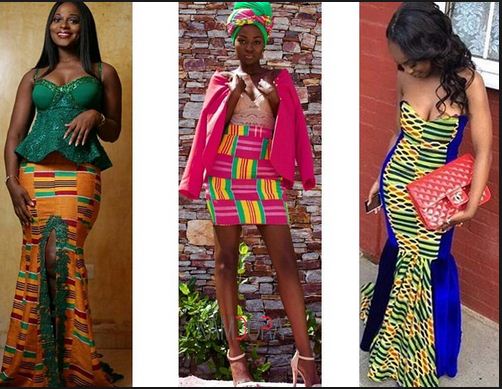
Exploring the Distinctive Charms of Kente and Ankara Fabrics
In the rich tapestry of African textiles, two fabrics stand apart for their beauty, cultural significance, and global recognition: kente and Ankara. Both have become synonymous with African fashion and identity, yet they could not be more different in their origins, production, aesthetics, and the roles they play in the lives of those who wear them. This exploration goes beyond surface comparison to uncover the distinctive charms that make each fabric irreplaceable.
Cultural Roots: Two Different Worlds
Kente — Woven Heritage
Kente is indigenous to Ghana, with roots in the Ashanti Kingdom stretching back to at least the 17th century. It was born from the creative genius of Ghanaian weavers who, according to oral tradition, learned the art of weaving by observing a spider's web. From its inception, kente was a royal textile — cloth for kings, chiefs, and ceremonies of the highest importance.
Every element of kente carries meaning. The colours — gold for royalty, green for growth, red for sacrifice, blue for peace, black for maturation — are chosen deliberately. The patterns — each named and storied — communicate proverbs, historical events, and philosophical concepts. To wear kente is to wear a visual language that has communicated across centuries.
Ankara — Adopted Identity
Ankara's roots are more complex. The fabric originates from Dutch wax-print technology, developed in the Netherlands as an imitation of Indonesian batik. When these prints were brought to West Africa in the 19th century, they were adopted with such enthusiasm that they became inseparable from African identity. West African markets developed their own preferences, and manufacturers began producing designs specifically for African consumers.
Ankara's charm lies in this story of cultural adoption and reinterpretation. What began as an external product was transformed by African creativity into something that is now globally recognised as African. It represents the continent's remarkable ability to absorb external influences and make them its own.
Production Artistry: Loom vs. Factory
The Kente Loom
Kente is woven on a narrow-strip loom, a traditional device that requires extraordinary skill to operate. The weaver sits at the loom for hours, manually interlacing threads to create patterns row by row. A single full-size kente cloth (approximately 3 metres by 5 metres) requires 24 or more individual strips, each woven separately and then sewn together. The process is slow, meditative, and deeply skilled — a master weaver may spend weeks or months on a single cloth.
This artisanal production is what makes authentic kente wearable art. No two pieces are exactly alike. The subtle variations that come from human hands — a slight shift in tension, a micro-adjustment in colour — give each cloth its unique character.
Ankara Production
Ankara is produced through an industrial printing process. Cotton base fabric is manufactured in mills, then printed using wax-resist or direct-print methods. The process is fast, scalable, and capable of producing vast quantities of fabric with consistent, repeatable designs. This industrial nature is both Ankara's strength — it makes the fabric widely available and affordable — and its limitation in terms of the uniqueness that hand-production provides.
Design Characteristics: Geometry vs. Graphics
The visual languages of kente and Ankara are fundamentally different:
Kente Aesthetics
Kente design is geometric, structured, and symbolic. Patterns are built from stripes, chevrons, blocks, and zigzags arranged in complex configurations. The colour palette follows traditional rules — specific combinations carry specific meanings. Because patterns are woven into the fabric, each design element must exist within the constraints of the loom, creating a visual discipline that produces remarkably cohesive compositions.
Ankara Aesthetics
Ankara design is graphic, bold, and limitless. Because it is printed rather than woven, there are no structural constraints on what can appear on the fabric. Designs range from large-scale florals and abstract geometrics to figurative illustrations, photographic imagery, and text. The colour palette is unrestricted — any colour, any combination. This freedom makes Ankara endlessly inventive and responsive to fashion trends.
Styling Versatility
Both fabrics offer remarkable styling versatility, but in different ways:
How Kente Is Styled
- Ceremonial wraps — the traditional way to wear a full kente cloth, draped over one or both shoulders.
- Stoles and sashes — for graduations, corporate events, and formal occasions.
- Modern fashion — kente jackets, skirts, trousers, and accessories designed for contemporary wardrobes.
- Home décor — framed kente panels, cushion covers, and table runners.
Kente's versatility lies in its ability to shift from deeply traditional to thoroughly modern while maintaining its cultural authority.
How Ankara Is Styled
- Dresses and gowns — from casual day dresses to elaborate evening wear.
- Tailored suits — Ankara has become a popular alternative to traditional suiting for men and women.
- Accessories — bags, shoes, headwraps, and jewellery made from Ankara fabric.
- Home furnishings — upholstery, curtains, and bedding in vibrant Ankara prints.
Ankara's versatility comes from its adaptability — it works in virtually any garment type and can be mixed, matched, and combined freely.
Emotional Connections
Beyond their physical characteristics, both fabrics carry powerful emotional resonance:
Kente evokes gravitas, heritage, and ancestral connection. Wearing kente to a significant occasion is an act of cultural affirmation — a way of saying, "I come from a tradition of excellence." For diaspora Africans, kente often carries a bittersweet sweetness — a reminder of roots that span the ocean.
Ankara evokes joy, energy, and communal celebration. It is the fabric of parties, markets, and everyday beauty. Wearing Ankara connects you to the vibrant pulse of contemporary African life — the creativity, the colour, the unapologetic embrace of pattern and print.
Can They Coexist?
Absolutely — and increasingly they do. Contemporary African fashion thrives on the creative tension between kente's structured heritage and Ankara's graphic freedom. Many designers create stunning pieces that combine both fabrics, using kente panels as focal points within Ankara garments or pairing kente accessories with Ankara outfits. At Hinkro Kente, we collaborate with fashion designers who appreciate both traditions and seek to create pieces that honour the distinctive charms of each.
Experience Both Worlds with Hinkro
Whether you are drawn to kente's regal geometry or Ankara's graphic exuberance, understanding both enriches your appreciation of African textile artistry. For authentic, hand-woven kente that honours centuries of Ghanaian tradition, Hinkro Kente is your trusted source. Explore our collection and discover the irreplaceable charm of genuine Ghanaian kente.